← Back to Projects
Overview
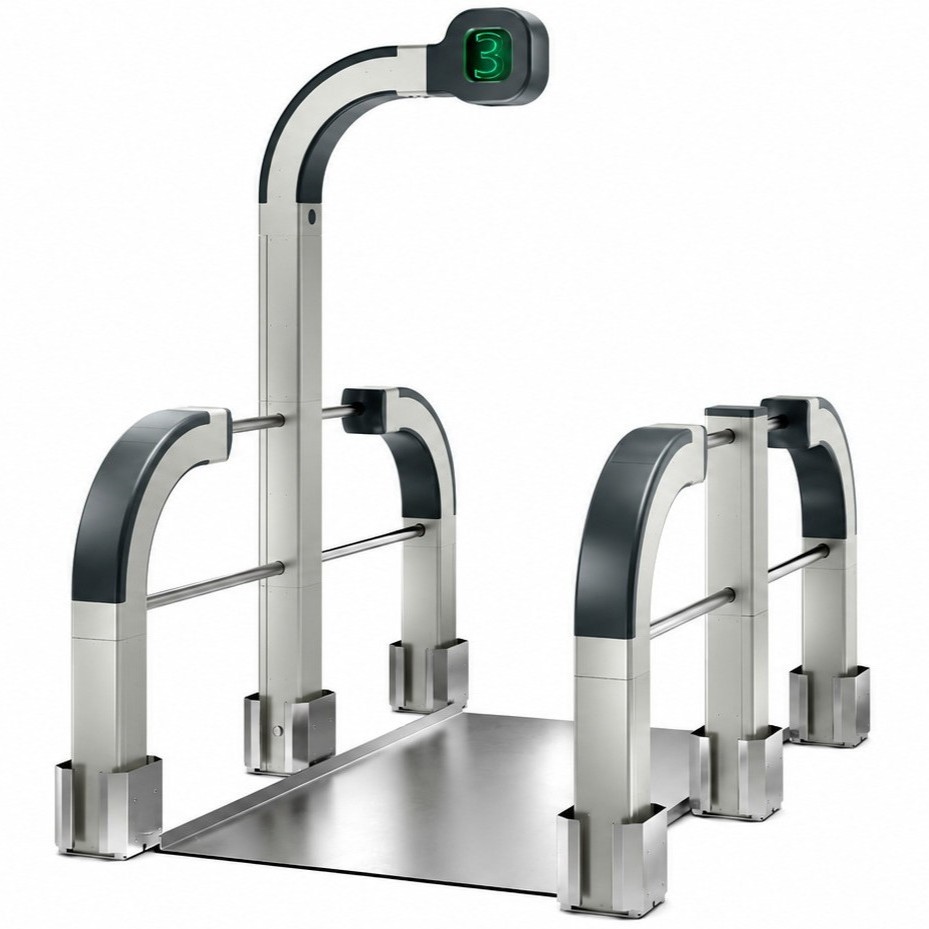
The Scan & Go self-checkout machine was developed for a German customer as a complete retail self-checkout solution. The project involved adapting the customer's design for manufacturing while preparing the product for serial production at Matic. The system combined sheet metal components with purchased mechanical, plastic, and electronic parts that ultimately formed a fully assembled product.
Project Development
My responsibility was to adapt the customer's CAD models into manufacturable sheet metal components, create production drawings, and prepare the technical documentation required for manufacturing. Throughout the project, I worked closely with production to ensure the design could be manufactured consistently while maintaining the customer's functional requirements.
The project required frequent technical collaboration with the customer's lead design engineer, who regularly visited our facility during development. These meetings allowed us to review progress, discuss design changes, and resolve manufacturing challenges directly throughout the project.
Prototype Validation
Several prototype units were assembled jointly with the customer's design engineer using both the sheet metal components manufactured by Matic and purchased parts supplied by the customer, including plastic components and other assemblies.
Participating in the prototype builds provided valuable insight into the assembly process, helping identify design improvements before production. Following the prototype phase, I documented the assembly sequence and prepared assembly instructions to support manufacturing.
Manufacturing Implementation
As the design matured, the collaboration expanded beyond manufacturing individual sheet metal components. Following successful prototype validation, the customer and Matic agreed that the complete Scan & Go units — including mechanical, electrical, and purchased components — would be assembled at our facility before being shipped directly to the end customer.
This transition required the creation of assembly documentation and manufacturing support to enable efficient serial production.
Outcome
The project successfully progressed from customer design through prototype validation into serial production, with manufacturing documentation and assembly procedures established for complete product assembly. Beyond the engineering work itself, the project gave me valuable early-career experience collaborating directly with an international customer and supporting a product from manufacturing preparation to production launch.